Drinking glasses are some of the easiest things you own to break and some of the most annoying to replace one at a time. The good news: learning how to pack glasses for moving is mostly about three habits: wrap every glass on its own, pack them upright in a small, padded box and leave nothing loose enough to rattle.
The short answer: Line a small or medium box (ideally one with cardboard cell dividers) with a thick layer of crumpled packing paper. Stuff each glass with a ball of paper, then roll it in two or three sheets of packing paper, a foam pouch or bubble wrap. Stand the glasses upright, heaviest on the bottom, fill every gap, add a padded layer on top, then seal the box and label it "FRAGILE – GLASS – THIS SIDE UP" on several sides.
Below you'll find the supplies worth having, a step-by-step method, tips for wine glasses, tumblers, mugs and heirloom crystal, what to do if you don't want to buy packing material, and how to get the boxes into a truck so they arrive in one piece.
Supplies for packing glasses
Glassware doesn't need a lot of gear, but it does need the right padding. A typical kitchen takes a couple of boxes for glasses alone, and our packing calculator can estimate box counts for the rest of your home.
As an Amazon Associate, Connected Renter earns from qualifying purchases. Prices and availability are shown on Amazon.
| Supply | Why it matters for glasses | One option on Amazon |
|---|---|---|
| Packing paper | Clean, ink-free sheets for stuffing and wrapping every glass and padding the box | Bryco Goods Newsprint Packing Paper Sheets (320 sheets) |
| Foam pouches | Slip a glass or mug inside in seconds; faster than wrapping and reusable | ALIN Cushion Foam Pouches (60, assorted sizes) |
| Bubble wrap | An extra layer for thin stemware, crystal and anything sentimental | Duck Brand Small Bubble Cushioning Wrap (12 in x 175 ft) |
| Box with cell dividers | Gives each glass its own cardboard compartment so glasses never touch | U-Haul Kitchen Moving Kit (includes a glass packing kit and dish packing kit) |
| Hard-shell stemware case | A reusable option for wine glasses you move or store often | Wine Glass Storage Holder, Hard Shell (2-pack, holds 24) |
| Heavy-duty packing tape | Fragile boxes need a secure bottom and top seam | Scotch Heavy Duty Shipping Packing Tape (4 rolls with dispensers) |
You'll also want a thick marker, sturdy small or medium boxes if you're not using a cell kit, and a clear table to work on. Skip old newspaper for anything you don't plan to wash: the ink can rub off onto glass and onto your hands.
Before you start: sort, clean and set up
A few minutes of prep makes the actual packing faster and safer.
- Sort first. Chipped glasses, mismatched freebies and the souvenir pint glasses you never use don't deserve bubble wrap. Donate, recycle or toss them now so there's less to pack.
- Keep a few out. Leave one glass or mug per person for the last days in your old place and the first days in the new one. Put them in your "open first" box with a roll of paper towels and a dish towel.
- Wash and dry everything. Glasses should be completely dry before wrapping. Moisture trapped in paper can leave spots or a musty smell, especially if the boxes sit in a hot truck or a storage unit.
- Set up a packing station. Clear a countertop or table, stack your paper on one side and keep the box on a chair or the floor next to you so you aren't reaching across your workspace with a glass in hand.
Glasses are best packed toward the end of your move, after books, décor and off-season stuff but before the everyday dishes. Our interactive moving checklist helps you plan what to pack and when.
How to pack glasses for moving, step by step
This method works for everyday tumblers, juice glasses and most barware. Stemware and crystal get a few extra steps, covered in the next section.
- Build and tape the box. Choose a small or medium box in good shape. Tape the bottom center seam, then add strips across it and along the edges. If you have a cell divider insert, set it in place now.
- Pad the bottom. Add a thick layer of crumpled packing paper, a few inches deep. This is the shock absorber for everything above it.
- Stuff each glass. Push a loosely crumpled sheet of paper inside the glass. It supports thin walls from the inside and keeps the glass from flexing if it's bumped.
- Wrap it. Lay the glass on its side at one corner of a stack of two or three sheets. Roll it diagonally toward the opposite corner, tucking the paper in at the top and bottom as you go so the rim and base are both covered. Or simply slide it into a foam pouch.
- Add a second layer for thin glass. Delicate or valuable pieces get an extra wrap of bubble wrap, secured with a small piece of tape on the wrap (never on the glass itself).
- Stand glasses upright. Place wrapped glasses rim-up in the box, or one per cell if you're using dividers. Put the heaviest, sturdiest glasses on the bottom layer.
- Fill every gap. Tuck crumpled paper between glasses and against the box walls until nothing shifts when you gently tilt the box.
- Layer with care. If you need a second layer, add a flat piece of cardboard or a thick layer of paper first, then lighter glasses on top. Keep the top layer for your most delicate pieces.
- Top it off and seal. Add a final layer of crumpled paper so the lid closes flat with gentle pressure, not a bulge and not an air gap. Tape the top securely.
- Label clearly. Write "FRAGILE – GLASS," "THIS SIDE UP" with arrows, and the destination room on at least two sides and the top.
Should glasses be packed standing up or lying down?
Standing up is the usual recommendation. A glass's rim is its weakest point, and when a glass stands upright, the stronger base takes the load and the rim isn't pressed against neighbors. Lying glasses down works only when each one is well wrapped and the box is packed so tightly that nothing can roll.
| Position | Good for | Watch out for |
|---|---|---|
| Upright (rim up) | Most tumblers, juice glasses, pint glasses and wrapped stemware | Pad the bottom and top so glasses can't bounce |
| Upright in cell dividers | Mixed sets, stemware and anything you really care about | Wrap glasses anyway; dividers stop contact, not shock |
| Lying on their side | Filling the last gaps in a tightly packed box | Loose glasses can roll and knock rims together |
| Upside down (rim down) | Nothing | Puts the weight of the glass right on the rim |
Packing different kinds of glassware
Wine glasses and other stemware
Stems are where wine glasses usually snap, so give them extra support. Wrap a sheet of paper or a strip of bubble wrap around the stem first, building it up until it's roughly as thick as the base. Stuff the bowl with paper, then wrap the whole glass in two or three more sheets. Stemware rides best upright in a cell divider box, with the bowls pointing up and nothing stacked on top. If you move or store wine glasses often, a hard-shell stemware case is a reusable alternative to cardboard.
Tumblers, pint glasses and everyday drinkware
Thick-walled everyday glasses are the most forgiving. Two sheets of packing paper or a foam pouch each is usually plenty. Nest-able glasses can be tempting to stack, but glasses stacked inside each other can wedge together or crack, so wrap and pack them separately.
Mugs and coffee cups
Handles are the fragile part of a mug. Wrap a little paper around the handle first, then wrap the mug like a glass. Mugs are sturdier than most glassware, so they make a good bottom layer under lighter glasses.
Crystal, heirlooms and anything irreplaceable
Wrap each piece in paper, then bubble wrap, and pack it in its own small box surrounded by padding. That box can then go inside a larger box with more padding around it, which adds a second cushion against bumps. Consider carrying truly irreplaceable pieces in your own car rather than the moving truck. If something has significant monetary value, ask your mover how their valuation coverage works and check whether your renters insurance policy covers items while they're in transit; coverage varies, so confirm the details with your insurer or agent before moving day.
Decanters, pitchers and vases
Treat these like oversized glasses: stuff the inside with paper, wrap the outside in several layers and pack them upright with plenty of padding around them. Remove stoppers and lids and wrap them separately in the same box so they don't rattle loose.
Packing paper, bubble wrap or foam?
All three work. Many people use a mix: paper for stuffing and filling gaps, foam or bubble wrap for the outer layer on delicate pieces.
| Material | Strengths | Drawbacks |
|---|---|---|
| Packing paper | Inexpensive, ink-free, great for stuffing glasses and filling gaps, recyclable | Takes a few sheets per glass to get good padding |
| Bubble wrap | Excellent cushioning for thin and valuable glass | Bulkier, and on its own it doesn't fill gaps as well as crumpled paper |
| Foam pouches | Very fast, consistent and reusable for your next move or for storage | Thinner than a few layers of paper; add a second layer for stemware |
| Towels, linens and clothes | Free, and they pack your soft goods at the same time | Less protection for thin stemware; adds weight; you need enough of them |
How to pack glasses without buying supplies
If you'd rather not buy packing material, your linen closet can do a lot of the work. Wrap sturdy glasses in dish towels, hand towels or t-shirts, and slide tumblers into clean socks before wrapping. Use folded blankets or pillows to line the bottom and top of the box. This approach is best for thick everyday glasses; thin wine glasses and crystal still deserve real padding.
Free boxes from grocery or liquor stores can work too. Liquor store boxes often come with cardboard dividers already inside, which makes them handy for glasses, but only use boxes that are dry, clean and still stiff. A box that's soft or crushed isn't worth risking your glassware on.
Loading and moving boxes of glasses
Even a perfectly packed box can break if it's loaded badly. A few rules help:
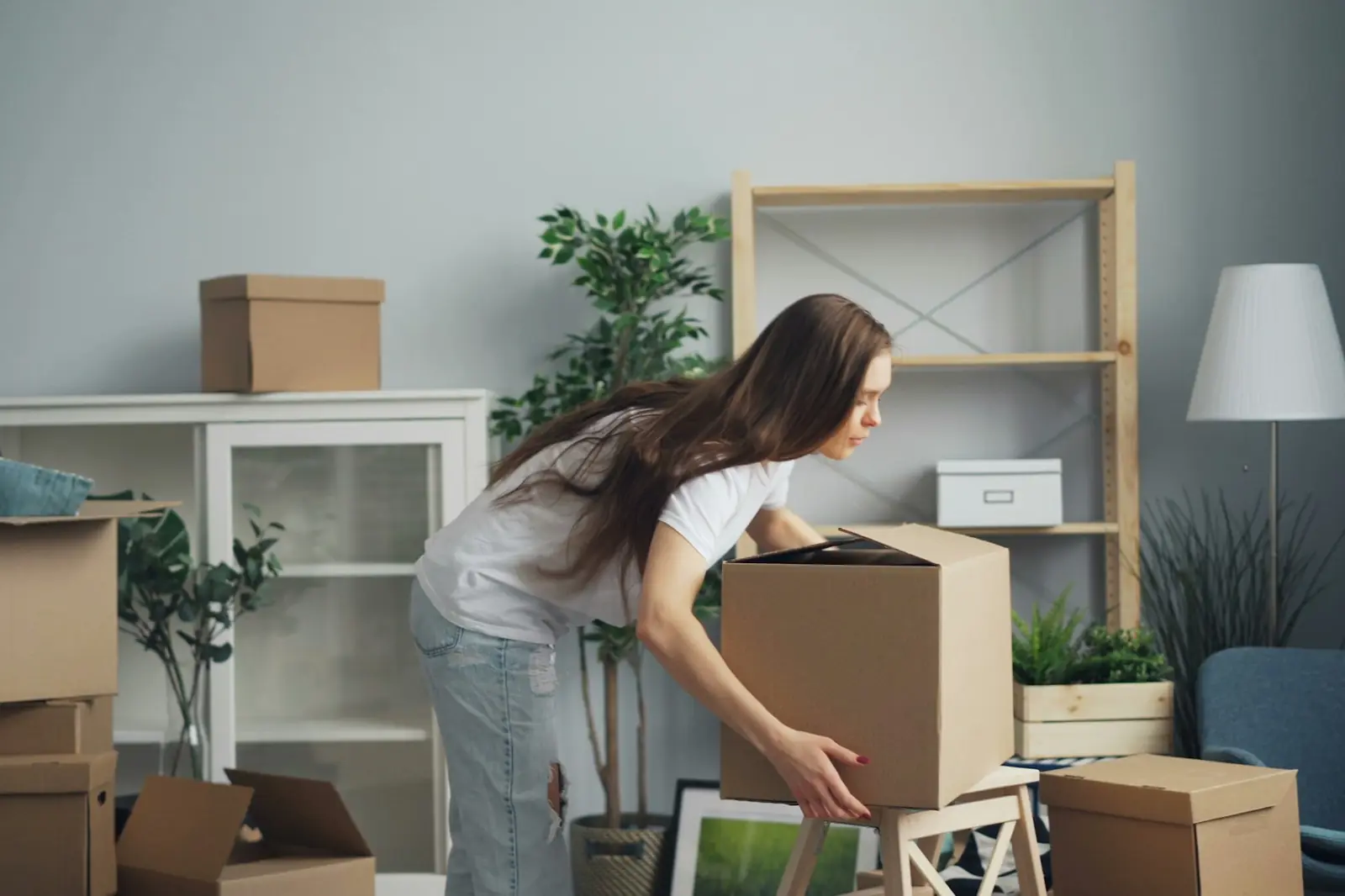
- Keep glass boxes light. Glass is heavy, and a box that's hard to carry is more likely to be dropped. If a box strains to lift, split it in two.
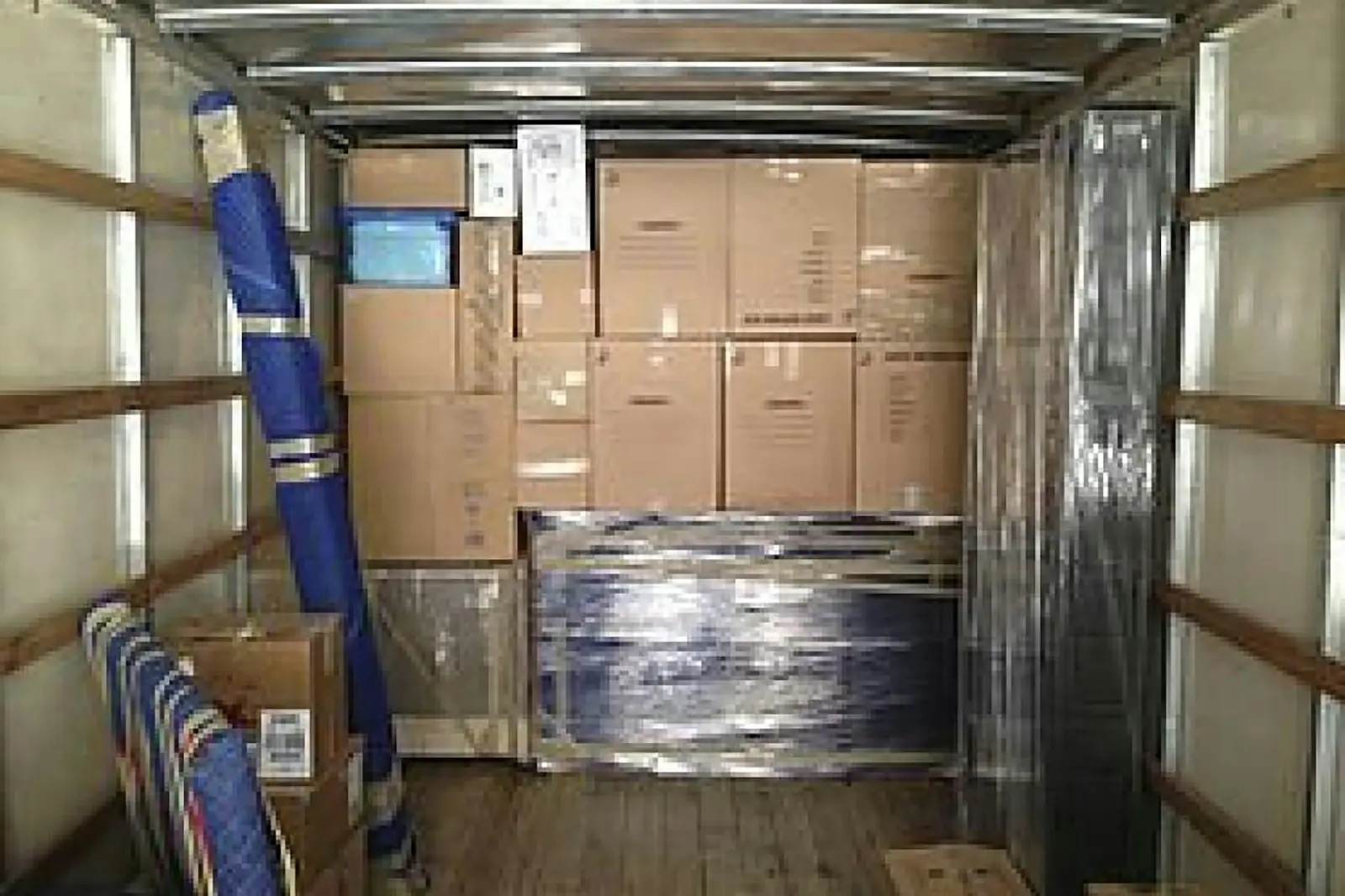
- Load them last-ish and on top. In the truck, put heavy furniture and dense boxes (like books) on the floor first, then glassware boxes on top of sturdy boxes, never under anything heavy.
- Brace them. Wedge fragile boxes between other boxes or soft items like mattresses and bagged bedding so they can't slide when the truck turns or brakes.
- Carry, don't toss. Hand glass boxes off person to person and tell helpers which boxes are fragile before they start lifting.
Need help sizing the truck? Our moving truck size calculator and guide to moving truck rentals cover it, and 10 steps for a successful DIY move walks through loading order. If you're packing a book collection too, our guide to packing books for moving explains why those boxes go on the bottom.
Should movers pack your glasses?
Many full-service movers offer packing, and some offer fragile-only packing for the kitchen. It can make sense if you have a lot of stemware, a tight timeline or valuable pieces. Be aware that movers' liability for items you pack yourself can be different from items their crew packs, so ask how damage claims work before you decide. Our guide to hiring movers covers what to ask, and the moving cost calculator helps you compare DIY and full-service costs.
Unpacking glasses in your new place
- Open boxes on a table or counter, not on the floor, so you can see what you're pulling out.
- Unwrap over the open box and check each sheet of paper before tossing it. Small glasses and lids hide easily in crumpled paper.
- Rinse glasses before use, especially any that were wrapped in towels or reused paper.
- Note any breakage right away, with photos, if you used movers or plan to file a claim.
- Flatten and save a cell divider box or two. They're handy for storage and for your next move. Setting up a new kitchen from scratch? See our first apartment checklist.
Common glass-packing mistakes
Most broken glassware comes from a few shortcuts. If you remember nothing else about how to pack glasses for moving, avoid these:
- Skipping the bottom padding. The bottom of the box takes the hardest hits when it's set down.
- Leaving empty space. If you hear clinking when you tilt the box, it needs more paper.
- Stacking glasses inside each other. They can wedge together or crack under pressure.
- Using oversized boxes. A big box full of glass is heavy, awkward and easy to drop.
- Packing them rim-down. The rim is the weakest point; keep it up.
- Vague labels. "Kitchen" doesn't tell anyone to be careful. Write "FRAGILE – GLASS" and "THIS SIDE UP."
- Putting heavy boxes on top. Even good padding can't stop a box of books from crushing a box of wine glasses.
The bottom line
The method is simple: stuff each glass, wrap it on its own, stand it upright in a small padded box, fill every gap and label the box clearly. Give stemware and heirlooms an extra layer, keep boxes light and load them on top of sturdy items. That's really all there is to how to pack glasses for moving without chips, cracks or a sad pile of shards on unpacking day. For everything else in the kitchen and beyond, the moving checklist and packing calculator will keep the rest of your move on track.
Frequently asked questions
What is the best way to pack glasses for moving?
Stuff each glass with crumpled packing paper, wrap it individually in two or three sheets of paper, a foam pouch or bubble wrap, and stand it upright in a small or medium box with a thick padded bottom. Fill every gap so nothing moves, add padding on top, seal the box and label it fragile with arrows showing which side is up.
Should you pack glasses standing up or laying down?
Standing up, rim side up, is the usual recommendation. The base is stronger than the rim, so an upright glass handles pressure better. Lying glasses on their side is fine only when they are well wrapped and packed tightly enough that they cannot roll.
Is it better to wrap glasses in paper or bubble wrap?
Both work. Packing paper is great for stuffing glasses and filling gaps, while bubble wrap adds stronger cushioning for thin stemware, crystal and valuable pieces. Many people use paper for everyday glasses and add a layer of bubble wrap or a foam pouch for delicate ones.
How do you pack wine glasses for moving?
Wrap the stem first until it is about as thick as the base, stuff the bowl with paper, then wrap the whole glass in two or three more sheets or bubble wrap. Pack wine glasses upright, ideally in a box with cardboard cell dividers, and do not stack anything heavy on top.
Can I pack glasses without packing paper?
Yes, for sturdy everyday glasses. Slide them into clean socks or wrap them in dish towels or t-shirts, and use blankets or pillows to pad the top and bottom of the box. Thin wine glasses and crystal still need real padding like paper, foam or bubble wrap.
What size box should I use for glasses?
Small or medium boxes. Glass adds up quickly, and a large box full of glassware is heavy and easy to drop. A box with cardboard cell dividers, such as a glass packing kit or a clean liquor store box, keeps each glass in its own compartment.
By the Connected Renter team. General information only — not professional moving, legal or insurance advice.