Planning a move can be a daunting task, but with careful organization, a do-it-yourself move can save you hundreds — even thousands — of dollars compared with full-service movers. These ten steps keep it on schedule and on budget.
1. Set a date and a budget
Mid-month, mid-week moves are cheaper and truck availability is better. List every cost: truck, mileage, fuel, equipment, supplies, food for helpers, and any cleaning or storage. Our moving cost calculator compares a DIY move with movers and containers.
2. Declutter ruthlessly
Every item you don't move is space, weight and time saved. Sell, donate or recycle anything you haven't used in a year. Start with garages, closets and storage first — they hide the most.
3. Reserve the right size truck
Book two to four weeks ahead (longer in summer). Use the truck size calculator; if you're between sizes, go bigger. Add furniture pads and a dolly to the reservation.
4. Gather supplies
Use the packing calculator to estimate boxes, tape and paper. Small boxes for books, medium for kitchen and décor, large for linens and pillows. Wardrobe boxes save hours on closets.
5. Pack room by room
Start with rooms you use least. Label every box on two sides with the room and contents, and number them so you know if one goes missing. Pack an "open first" box with chargers, toilet paper, medications, a few dishes, snacks, tools and bedding.
6. Line up help early
Ask friends a few weeks ahead and confirm the day before. If friends are scarce, hire labor-only movers for loading and unloading — often just a few hours of help.
7. Handle utilities and address changes
Schedule utility starts and stops, forward your mail and update your address with banks, employers and subscriptions. See our utility connections checklist.
8. Load like a pro
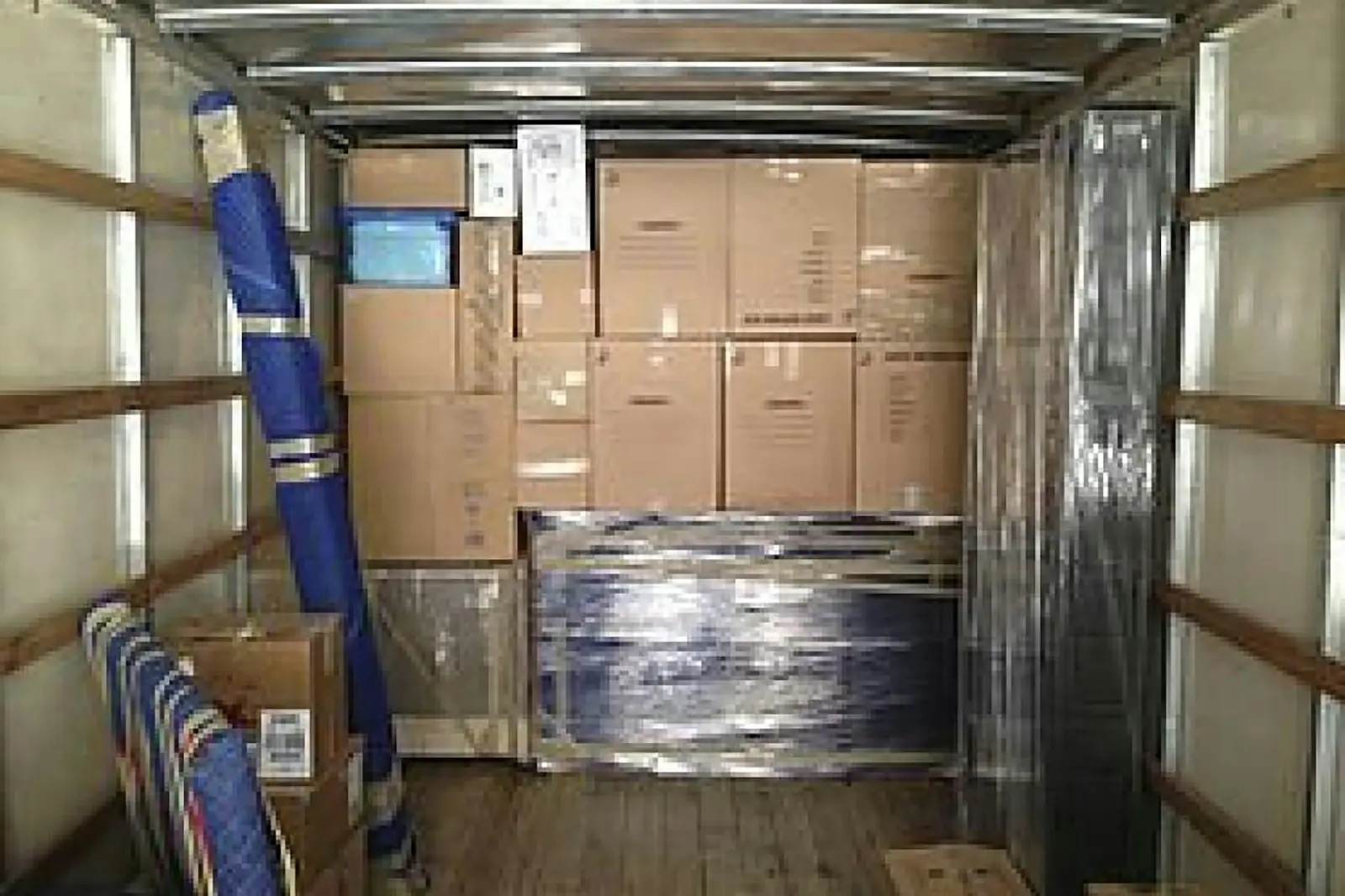
Heavy appliances and furniture go first, against the front wall. Stack boxes heavy-to-light, floor to ceiling, in tiers. Fill gaps with soft items and tie off each section with straps so nothing shifts.
9. Drive carefully
A loaded truck brakes slowly and turns wide. Know your clearance height, avoid drive-throughs and plan fuel stops with room to maneuver.
10. Unload and settle in smart
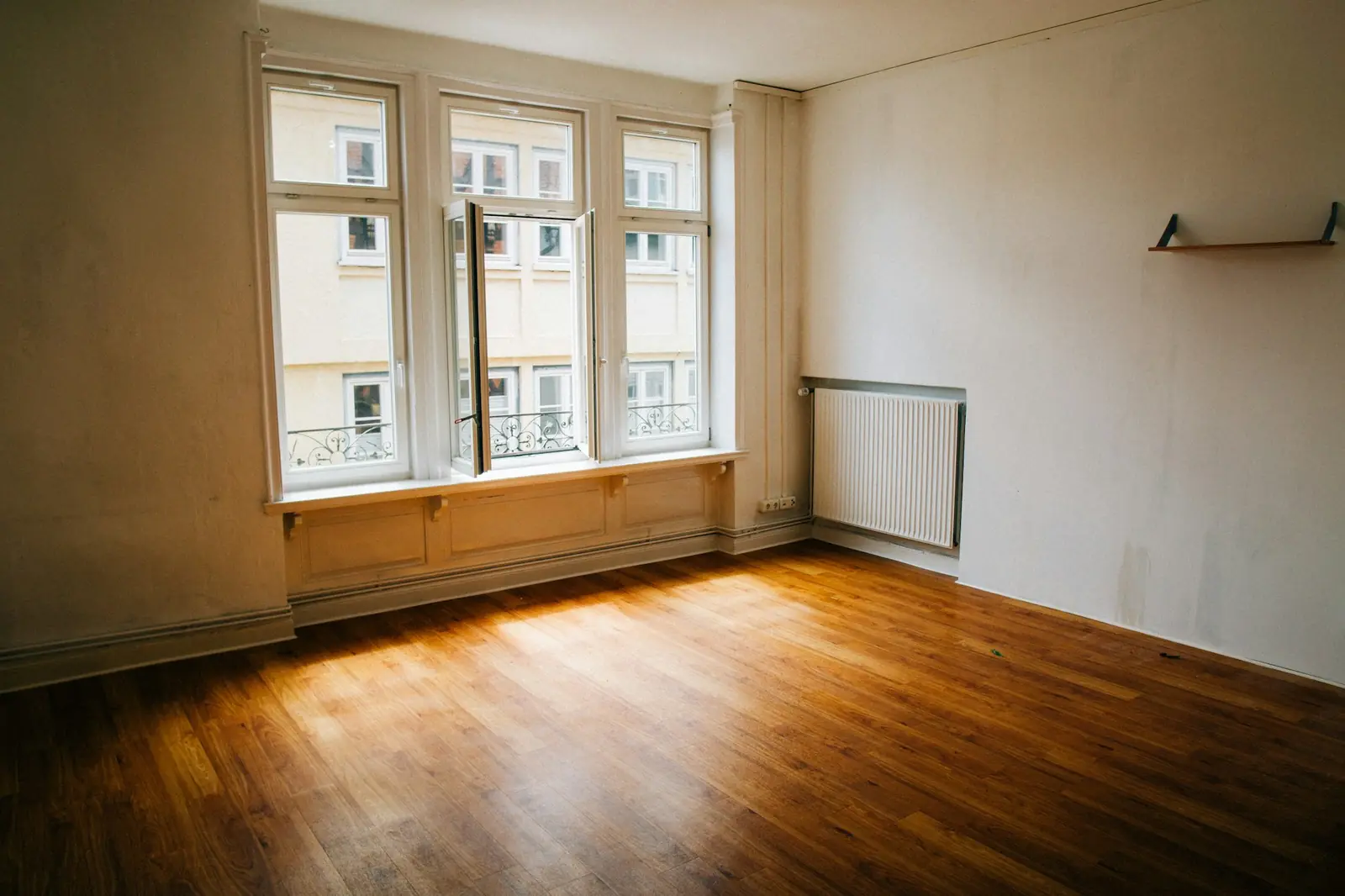
Put beds together first so you can rest. Do a walkthrough of the new place and record its condition with our move-in inspection checklist before furniture covers anything up. Then return the truck on time, refueled and swept out.
By the Connected Renter team. General information only — not legal or financial advice.