
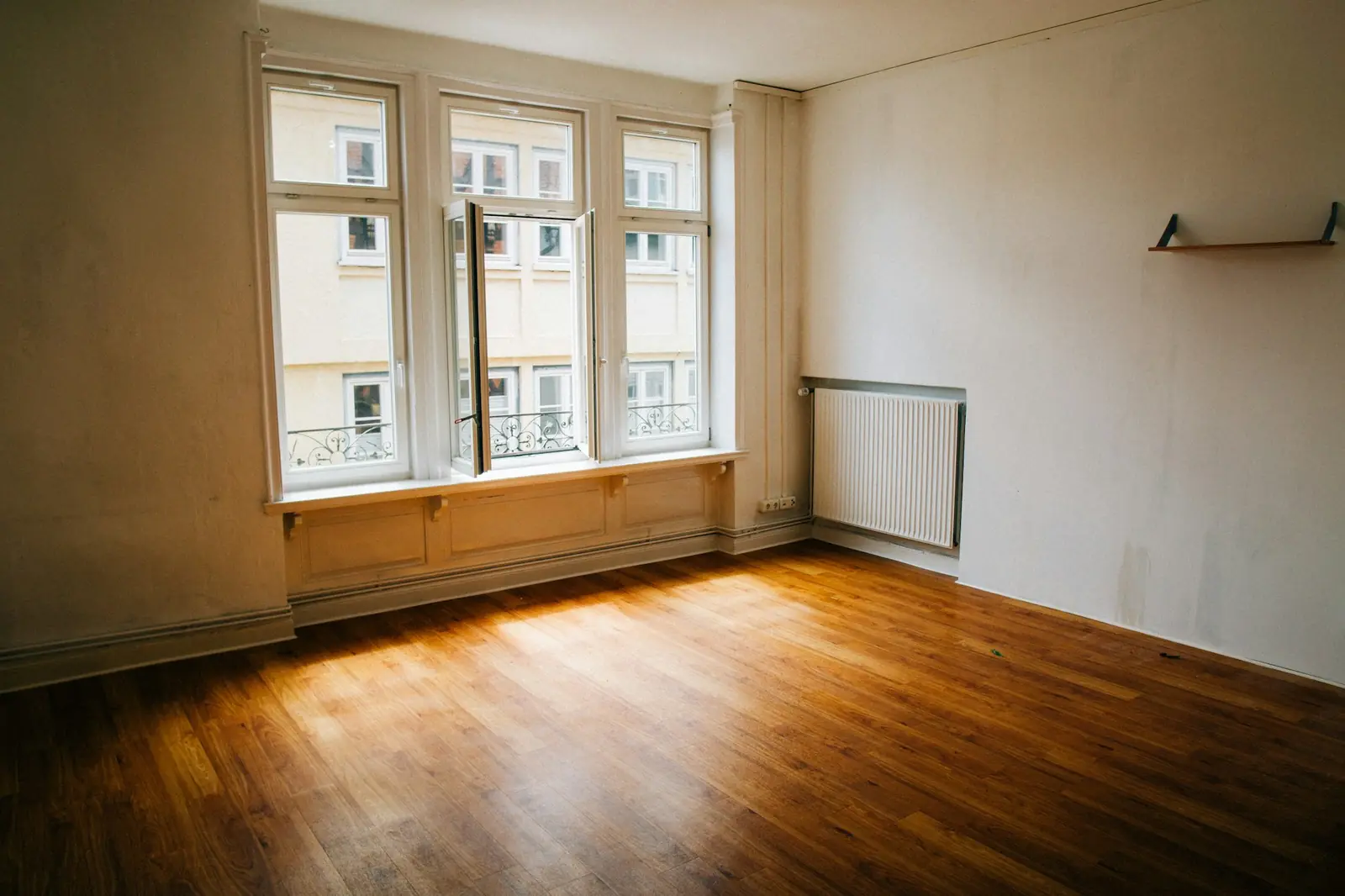
Your security deposit is your money — often a full month's rent. Getting it back starts on move-in day, not move-out day.
On move-in day: document everything
- Complete the landlord's move-in condition form and keep a copy.
- Take timestamped photos and video of every room, including inside appliances, closets, floors and walls.
- Email your findings to the landlord so there's a dated record.
Our move-in inspection checklist walks you through it room by room.
Know "normal wear and tear" vs. damage
| Normal wear and tear (generally can't deduct) | Damage (can usually deduct) |
|---|---|
| Minor scuffs, faded paint, small nail holes | Large holes, unapproved paint colors |
| Carpet worn from normal foot traffic | Pet stains, burns, tears |
| Loose door handles, worn grout | Broken blinds, cracked tiles, missing fixtures |
Before you move out
- Give written notice exactly as your lease requires (often 30–60 days), and keep proof.
- Repair small things you caused — patch nail holes if allowed, replace bulbs and filters.
- Do a thorough move-out clean or hire a move-out cleaning service.
- Request a walkthrough with the landlord, and take your own photos and video.
- Return all keys and fobs, and give your forwarding address in writing.
How long landlords have to return it
Deadlines are set by state law and typically range from about 14 to 45 days after move-out. In Texas, for example, landlords generally have 30 days after you surrender the unit, and you're expected to provide a forwarding address in writing. Deductions usually must be itemized.
If deductions seem unfair
- Ask for the itemized list and receipts in writing.
- Send a polite demand letter with your photos, move-in form and the relevant state law.
- If that fails, small-claims court is designed for disputes like this, and some states award extra damages for bad-faith withholding.
By the Connected Renter team. General information only — not legal or financial advice.