
Who provides your electricity?
In most of the U.S., one regulated utility serves your address and you simply open an account with it. In deregulated markets — including most of Texas, plus parts of states like Pennsylvania, Ohio, Illinois and New York — you choose a retail electricity provider while the local utility still maintains the poles and wires.
In Texas, the Public Utility Commission runs PowerToChoose.org, the official site for comparing plans in deregulated areas. Some Texas cities (Austin, San Antonio and others served by municipal utilities or co-ops) are not deregulated, so you'll set up service with the city utility instead.
How to set up electricity
- Confirm with your leasing office whether electricity is in your name or included in rent.
- Find your provider (or compare providers in a deregulated area) using your exact address — some buildings have their own meter IDs (ESI ID in Texas).
- Schedule start of service for your move-in date — 1–2 weeks ahead is ideal.
- Be ready for a deposit if you have limited credit history; a letter of good payment history from a previous utility can sometimes waive it.
- Schedule shut-off at your old address for the day after you move out.
Understanding plan types
Fixed rate
- Same energy rate for the whole term
- Predictable bills
- Early-termination fees apply
Variable rate
- Rate can change monthly
- No long commitment
- Risky during heat waves or cold snaps
Prepaid
- Pay ahead, usually no deposit or credit check
- Good for credit challenges
- Watch daily balance alerts
Read the Electricity Facts Label (EFL)
Advertised rates are often shown at exactly 1,000 kWh. Plans with bill credits can look cheap at 1,000 kWh but cost much more at 900 or 1,100 kWh. The EFL shows the average price at 500, 1,000 and 2,000 kWh, plus base charges, the delivery (TDU) charges and the contract length. Compare plans at your usage, not the headline number.
Ask your leasing office or the previous tenant for the unit's average monthly usage, or use the estimator below to get a realistic kWh figure for your size of home.
Ways renters can lower the bill
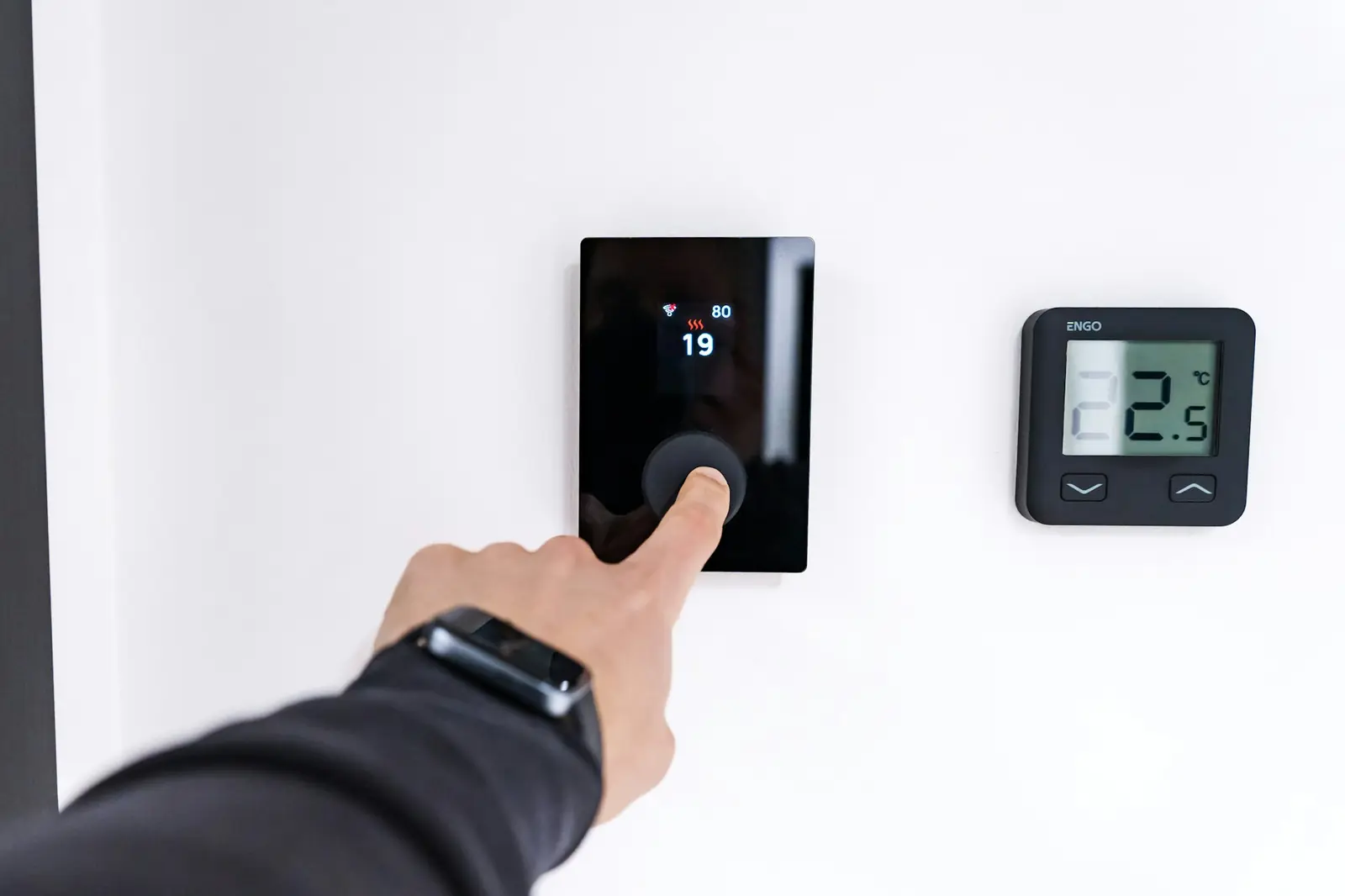
- Set the thermostat to 78°F in summer when home and higher when away; use ceiling fans.
- Close blinds on sun-facing windows in the afternoon.
- Replace the HVAC filter monthly in summer (ask maintenance if you're not allowed to).
- Switch to LED bulbs and use smart plugs on entertainment centers.
- Wash clothes in cold water and run full loads.
Setting up internet, water and gas too? See our utility connections checklist.
Free tool: Electricity Bill Calculator
Estimate your monthly usage by home size, household and season, then see what different all-in rates would cost.
Frequently asked questions
How long does it take to set up electricity?
Often same day or next day for an existing meter, but schedule 1–2 weeks before move-in to be safe, especially at month-end.
Why do I need a deposit for electricity?
Providers may require a deposit when you have little or no credit history or a past unpaid utility balance. Prepaid plans and letters of credit from a previous utility can help you avoid it.
What's a good electricity rate in Texas?
It changes with the market. Compare the average price per kWh on the Electricity Facts Label at your expected usage, and include delivery charges — not just the advertised energy charge.
Can my landlord include electricity in my rent?
Yes. Some properties bill a flat utility fee or use sub-metering. Ask how it's calculated and whether there's a cap.