
Truck sizes at a glance
| Truck | Approx. capacity | Typically fits |
|---|---|---|
| Cargo van | ~250 cu ft | Dorm or small studio, a few large items |
| 10 ft truck | ~400 cu ft | Studio or small 1-bedroom |
| 15 ft truck | ~760 cu ft | 1–2 bedrooms |
| 20 ft truck | ~1,000 cu ft | 2–3 bedrooms |
| 26 ft truck | ~1,700 cu ft | 3–5 bedrooms |
Capacities vary by rental company and model. When in doubt, size up — a second trip costs more than a bigger truck.
What a rental really costs
Local (in-town) rentals usually have a low daily rate — often $20–$60 for smaller trucks — plus a per-mile charge (commonly around $0.80–$1.30 per mile). One-way rentals are quoted as a package with a set number of days and miles included, and prices swing a lot by route and season.
Budget for the extras:
- Fuel: large trucks often get roughly 8–12 mpg. Return it with the same fuel level or pay a premium.
- Damage protection: your personal auto policy and credit card often don't cover large rental trucks. Check before declining the rental company's coverage.
- Equipment: furniture pads, a utility dolly and an appliance dolly are worth the few dollars each.
- Taxes, environmental fees and late returns.
Truck vs. container vs. movers
A truck is cheapest when you have friends to help and a short distance. For long moves, a moving container can be close in price once you add fuel, lodging and time off work. Run your numbers in the moving cost calculator.
Booking tips
- Book 2–4 weeks out (6+ in summer). End-of-month weekends sell out first.
- Confirm the exact pickup location — reservations at busy times are sometimes moved to another branch.
- Ask about deck height, loading ramp and whether a tow dolly or car trailer fits your vehicle.
- Photograph the truck inside and out at pickup, including the fuel gauge and odometer.
Driving a moving truck safely
- Know your clearance height — drive-throughs, parking garages and low bridges are the classic mistakes.
- Leave double the stopping distance; a loaded truck takes much longer to stop.
- Use mirrors constantly and make wide right turns.
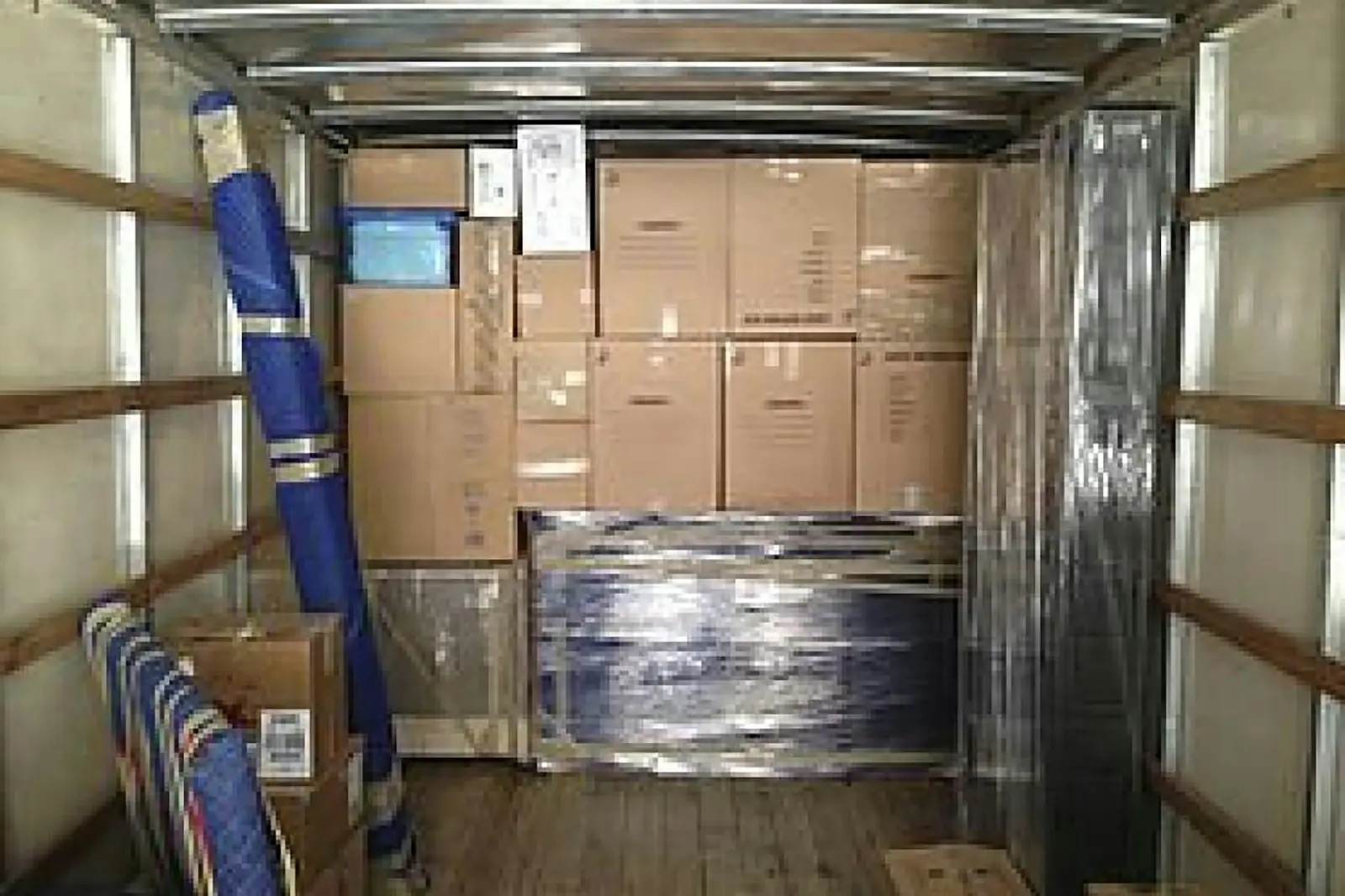
- Load heavy items first, against the cab, and distribute weight evenly side to side.
- Back up with a spotter, and avoid backing up at all when you can.
Free tool: Moving Truck Size Calculator
Select your home size and extras to see which truck fits — with room to spare.
Frequently asked questions
What size moving truck do I need for a 2-bedroom apartment?
Most 2-bedroom apartments fit in a 15 ft truck; a 20 ft truck is safer if you have large furniture, a home office or a lot of boxes.
Do I need a special license to drive a moving truck?
Not for standard consumer rental trucks up to 26 ft in the U.S.; a regular driver's license is enough. Check the rental company's minimum age requirement.
Does my car insurance cover a rental moving truck?
Often not. Many personal auto policies and credit cards exclude trucks above a certain size. Call your insurer before you decline the rental company's protection.
Is a one-way truck rental cheaper than movers?
Usually, yes, especially for smaller homes. Factor in fuel, lodging, time off work and help with loading before you decide.