Books are the sneakiest heavy thing you own. They look harmless on the shelf, then turn into the boxes nobody wants to carry. The good news: learning how to pack books for moving takes about five minutes, and getting it right protects both your collection and your back.
The short answer: Use small, sturdy boxes. Tape the bottom seams twice, add a layer of crumpled packing paper, then pack books flat or upright (never with the pages facing down), heaviest on the bottom. Fill every gap so nothing shifts, keep each box light enough to lift comfortably, seal it and label it "BOOKS – HEAVY" with the room it goes to.
Below you'll find the supplies worth buying, a step-by-step packing method, how to handle hardcovers, paperbacks and valuable editions, and how to get heavy book boxes into the truck without hurting yourself or your rental.
Supplies for packing books
You don't need anything fancy, but the right box size matters more for books than for anything else you'll pack. Here's a simple kit. Rough box counts for the rest of your home are easy to estimate with our packing calculator.
As an Amazon Associate, Connected Renter earns from qualifying purchases. Prices and availability are shown on Amazon.
| Supply | Why it matters for books | One option on Amazon |
|---|---|---|
| Small moving boxes | Keeps each box liftable and stops bottoms from blowing out | Amazon Basics Small Moving Boxes (16" x 10" x 10", 15-pack) |
| Boxes with handles | Hand holds make heavy boxes far easier to carry | Bankers Box Small Classic Moving Boxes (10-pack) |
| Heavy-duty packing tape | Book boxes need extra strips across the bottom seams | Scotch Heavy Duty Packaging Tape with Dispenser |
| Packing paper | Cushions the bottom and fills gaps without adding weight | Bryco Goods Newsprint Packing Paper Sheets |
| Bubble wrap | Extra protection for valuable, signed or fragile editions | Duck Brand Small Bubble Cushioning Wrap |
| Hand truck | Moves a stack of book boxes in one trip instead of five | Leeyoung Folding Aluminum Hand Truck |
Also grab a thick marker, a few large freezer bags or plastic wrap for any books you're worried about getting damp, and a bathroom scale if you want to check box weights.
Before you pack: sort your collection
Every book you don't move is weight you don't carry, pay to haul or find a shelf for. Go shelf by shelf and make three piles:
- Keep: favorites, reference books you actually use, anything sentimental or valuable.
- Sell or trade: books in good condition you won't reread. Used bookstores and online buyback sites are worth checking.
- Donate or recycle: libraries, little free libraries, schools, shelters and thrift stores often take books. Water-damaged or moldy books are better recycled than packed next to good ones.
Start early. Books are one of the best things to pack first because you can live without most of them for a few weeks. Our interactive moving checklist helps you schedule packing so you're not boxing up shelves the night before the truck arrives.
How to pack books for moving, step by step
This is the method most professional movers and packing guides agree on. It works for a single shelf or a whole wall of bookcases.
- Build and reinforce the box. Fold the bottom flaps and run tape along the center seam, then add strips across the seam and along both edge seams. Book boxes carry more weight than most, so double taping the bottom is worth the extra few seconds.
- Cushion the bottom. Add a layer of crumpled packing paper. It absorbs bumps and keeps the bottom row of books from rubbing on the cardboard.
- Group books by size. Pack books of similar height and width together. A box of same-size books packs tighter, shifts less and is less likely to bend covers.
- Choose an orientation. Lay books flat in stacks, stand them upright like they sit on a shelf, or place them spine-down. Avoid standing books on their open edge (pages down), which strains the binding. See the comparison below.
- Put the heaviest books on the bottom. Large hardcovers and textbooks go first, lighter paperbacks on top.
- Fill every gap. Stuff crumpled paper into empty spaces so the books can't slide. A box that rattles is a box that damages corners.
- Leave the top level, not overstuffed. Add a final layer of paper so the lid closes flat. A bulging top crushes when boxes get stacked.
- Seal and label. Tape the top the same way as the bottom. Write "BOOKS – HEAVY" and the destination room on at least two sides, not just the lid, so you can read it in a stack.
Flat, upright or spine-down?
There's no single right answer. The best choice depends on the book type and how much room is left in the box.
| Orientation | Best for | Watch out for |
|---|---|---|
| Flat (stacked) | Paperbacks, large art and coffee-table books, older books with weak spines | Keep stacks even and alternate direction so they don't lean |
| Upright (spines against the box side) | Hardcovers of similar height, packed snugly like a bookshelf | Gaps let books lean and warp; fill them with paper |
| Spine-down | Filling the last row when upright or flat won't fit | Only with books packed tight, so the spine supports the weight |
| Pages-down (fore-edge down) | Nothing | Puts the weight on the text block and can pull pages from the binding |
Packing different kinds of books
Hardcovers
Hardcovers are sturdy but heavy. Pack them upright or flat, keep dust jackets on, and don't mix them loosely with paperbacks where the hard corners can dent softer covers. If a dust jacket matters to you, slip a sheet of packing paper between neighboring books.
Paperbacks
Paperbacks are light and forgiving. Lay them flat or stand them upright in a tight row. They also make good gap fillers on top of a layer of hardcovers, as long as the box stays a manageable weight.
Oversized and art books
Large-format books should lie flat, ideally in a box that fits them without much slack. Wrap each one in packing paper first so covers don't scuff against each other.
Rare, signed or sentimental books
Wrap each valuable book individually in clean packing paper, then a layer of bubble wrap, and pack them in their own small box surrounded by padding. Avoid newspaper directly against the book, since ink can transfer. Consider moving your most precious books in your own car rather than the truck. For genuinely rare or high-value collections, an appraiser or a book conservator can advise on handling, and you should check how your moving company's valuation coverage applies before the move.
Comics, magazines and loose papers
Store comics in bags and boards if you have them, and pack them upright in a box that fits snugly. Magazines can lie flat in small stacks. Keep loose papers, notebooks and documents in folders so they don't slide down between books.
Why small boxes win for books
A large box full of books can become too heavy to lift safely and can split at the bottom seam. That's why nearly every moving company recommends small boxes for books. A common guideline is to keep any box you'll carry under roughly 40 to 50 pounds, and lighter is better if you're moving it yourself or up stairs.
| Box size | Use it for books? | Tip |
|---|---|---|
| Small | Yes, the best choice | Fill completely with books and fill gaps with paper |
| Medium | Only partly | Put a layer of books on the bottom, then top up with light items like linens or pillows |
| Large and extra-large | No | Save these for bedding, lampshades and other bulky, light things |
If you're not sure how heavy a box is, step on a bathroom scale holding it, then subtract your own weight. If it feels like a strain to lift, take a few books out and use them to start another box.
Moving heavy book boxes safely
Packing is only half of it. Book boxes are dense, so plan how you'll move them.
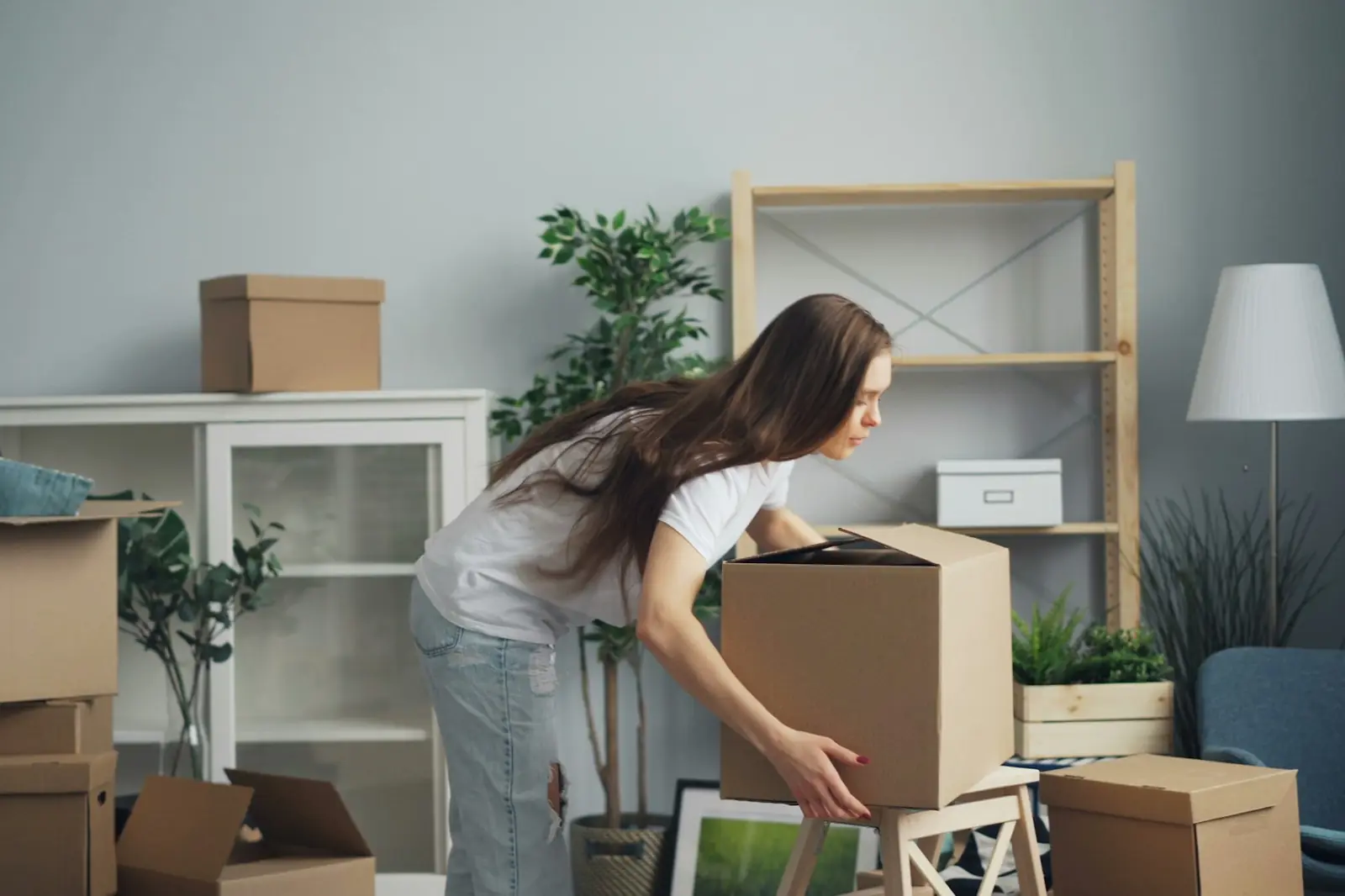
- Lift with your legs. Keep the box close to your body, bend at the knees and avoid twisting while carrying.
- Use a hand truck. Stack three or four book boxes, tilt back and roll. It's the single biggest time and back saver for a book-heavy move.
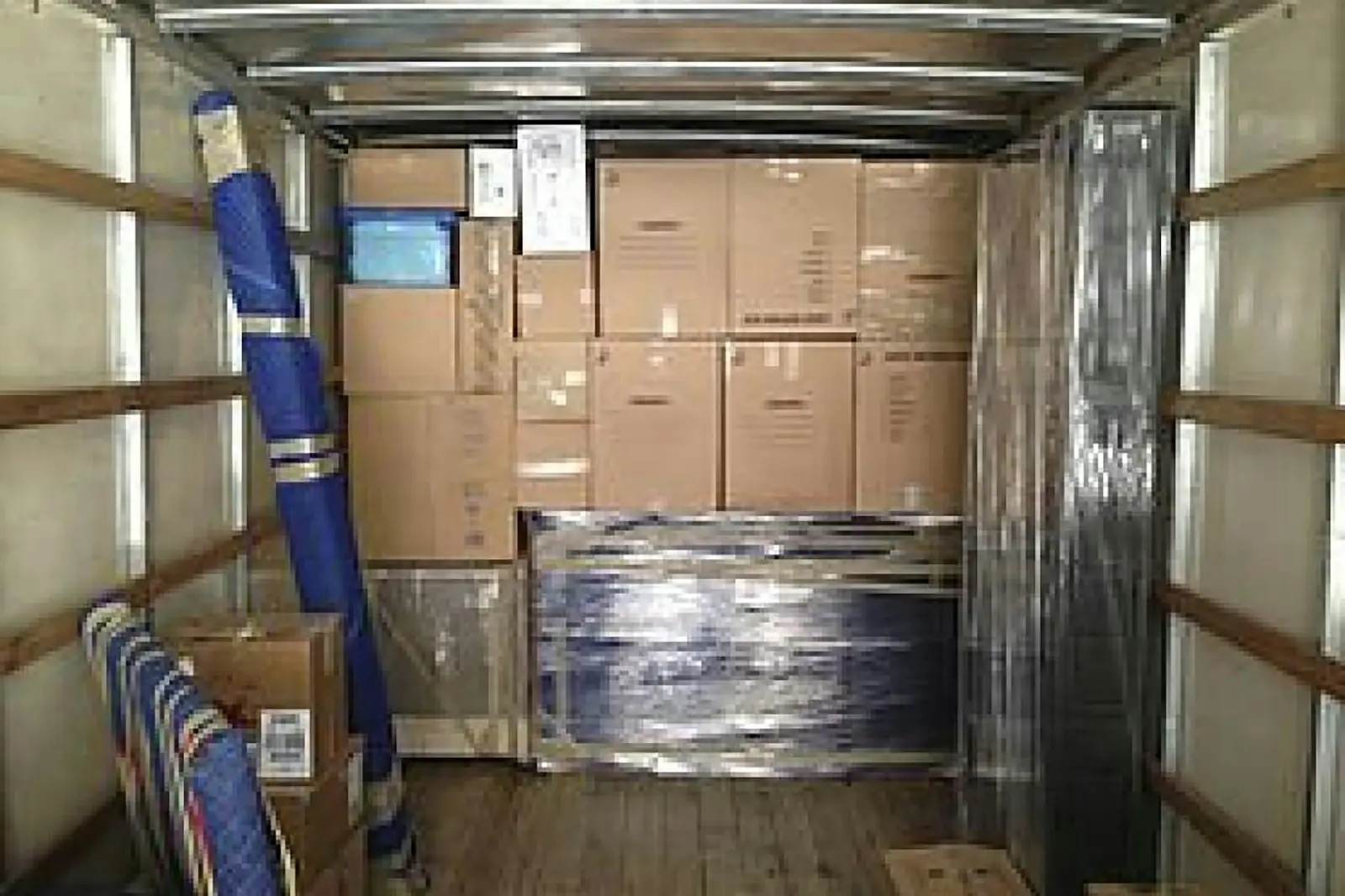
- Load books low and forward. In a truck, heavy boxes go on the floor, toward the front wall of the cargo area. Never stack book boxes on top of lighter boxes.
- Protect your rental. Prop doors open, use a hand truck on hard floors carefully and watch corners in hallways and elevators. Scuffed walls can come out of your deposit.
Not sure how much truck space all those boxes will take? Our moving truck size calculator and guide to moving truck rentals can help you pick the right size. For more loading tips, see 10 steps for a successful DIY move.
How to pack books without boxes
Out of boxes, or trying to cut down on cardboard? You have a few decent options:
- Rolling suitcases: Hard-sided luggage with wheels is ideal for books because you roll the weight instead of carrying it. Check that the handle and wheels can take it.
- Plastic storage totes: Sturdy and stackable, but large totes get heavy fast. Fill them partway with books and top them up with lighter items.
- Bookcase drawers or crates: Small crates work if the books won't slide around. Pad the gaps.
Avoid garbage bags and thin reusable shopping bags for books. They tear, give no protection and are awkward to carry.
If your books are going into storage
If there's a gap between leases or you're downsizing, a storage unit may hold your books for a while. Moisture and heat are the biggest risks for paper, so a climate-controlled unit is worth considering for anything you care about. Pack books in sturdy boxes rather than sealed plastic bags, which can trap humidity, keep boxes off concrete floors with a pallet or shelf, and don't store them in damp basements or hot attics.
Unpacking in your new place
- Unpack books after the essentials. Your bed, kitchen and bathroom come first.
- Assemble bookcases before you open the boxes so books go straight onto shelves.
- Tall bookcases can tip. Anti-tip kits usually need screws in the wall, so check your lease or ask your landlord before drilling. Our guide on getting your security deposit back explains why it's worth asking first.
- Flatten and save a few good small boxes. They're useful for storage, and someone you know will be moving soon.
Should you pay movers to pack your books?
Packing books is one of the easiest jobs to do yourself, so most renters save money by handling it. Where movers earn their fee is the carrying: dozens of dense boxes up and down stairs is hard work. If you're hiring help, pack the books yourself and let the crew do the lifting. Our guide to hiring movers explains quotes and what to ask, and the moving cost calculator shows how DIY and full-service compare.
Common book-packing mistakes to avoid
Most damaged books come from a handful of avoidable shortcuts. When you think about how to pack books for moving, think about these first:
- Using big boxes. It feels efficient until nobody can lift the box or the bottom gives way on the stairs.
- Reusing weak boxes. Grocery and liquor store boxes are fine for light items, but soft, damp or previously crushed cardboard isn't strong enough for books.
- Skipping the extra tape. A single strip down the middle seam is the most common reason book boxes fail.
- Leaving empty space. Loose books slide, bend corners and crease covers. Fill the gaps.
- Packing pages-down. It strains bindings, especially on older or heavier books.
- Vague labels. "Misc" doesn't warn anyone that a box is heavy. Write "BOOKS – HEAVY" so helpers lift with care and stack it at the bottom.
- Packing at the last minute. Books are easy to pack early, so there's no reason to rush them on moving day.
The bottom line
The whole method fits on a sticky note: small boxes, double-taped bottoms, heavy books at the bottom, no gaps, clear labels. Follow that and you'll know exactly how to pack books for moving without split boxes, bent covers or a sore back the next morning. Pack your shelves early, keep each box to a weight you can lift comfortably, and let a hand truck do the heavy work. If you're still building your move plan, the moving checklist and packing calculator will help you get everything else boxed up on time.
Frequently asked questions
What is the best way to pack books for moving?
Use small, sturdy boxes with the bottoms taped twice. Line the bottom with crumpled packing paper, pack books flat or upright with the heaviest on the bottom, fill every gap so nothing shifts, then seal the box and label it as heavy with the room it goes to.
What size box is best for packing books?
Small moving boxes. Books are dense, so a large box full of them can be too heavy to lift safely and may split at the bottom. If you use a medium box, put a layer of books on the bottom and fill the rest with light items like linens.
Should books be packed flat or upright?
Either works. Lay paperbacks, oversized art books and fragile older books flat in even stacks. Stand hardcovers of similar size upright, packed snugly like a bookshelf. Avoid packing books with the pages facing down, which strains the binding.
How do I keep books from getting damaged during a move?
Pack them tightly so they can't slide, fill gaps with packing paper, keep boxes dry and load them on the floor of the truck rather than on top of lighter boxes. Wrap valuable or signed books individually in packing paper and bubble wrap and consider moving them in your own car.
Can I pack books in plastic bins or suitcases?
Yes. Rolling suitcases are great for books because you roll the weight instead of carrying it. Plastic totes are sturdy but get heavy fast, so fill them only partway with books. Skip garbage bags, which tear and offer no protection.
How heavy should a box of books be?
Light enough to lift comfortably without straining. A common guideline is to keep boxes you will carry under roughly 40 to 50 pounds, and lighter if you are moving them yourself or up stairs. If a box feels too heavy, move some books to another box.
By the Connected Renter team. General information only — not professional moving or legal advice.